
Gap Year Travel Safety & Risk Management
Practical skills to stay safe while travelling abroad
A four course programme designed to help gap year students plan smarter, stay safer on the ground, and know what to do if something goes wrong. So you can travel with confidence and awareness.
Built by experienced Ex UK Special Forces professionals
Designed specifically for gap year and YOUNGER travellers
BASED ON REAL WORLD EXPERIENCE, delivered in a Practical, pro-active way
Trusted by thousands of parents and students worldwide
The Gap Year Travel Risk Management Courses
This programme is split into four short, focused courses that follow the real journey of a gap year, before you leave, staying safe on the ground, managing your health & wellbeing while away and what to do if anything does go wrong.

Course 1: Pre-Planning Your Gap Year
Most serious travel incidents can be traced back to decisions made before departure. This course helps travellers reduce risk early, by planning smarter and understanding what really matters.
What you will learn:
Module 1: Understanding destination risk
• Country and regional risk profiles
• Digital copies and emergency backups
• Cultural norms and behaviour expectations
• Areas to avoid and why
Module 2: Travel and health protection
• Travel insurance explained, what actually matters
• Health insurance and emergency cover
• Vaccinations and medical preparation
• Personal medical kit basics
Module 3: Planning safer travel
• Building realistic itineraries
• Avoiding over-ambitious routes
• Managing fatigue and jet lag
• Safer travel seasons and timings
Module 4: Booking safely
• Choosing safe accommodation
• Hostels vs hotels vs homestays
• Red flags when booking online
• Layovers, night arrivals, and transit risks
Module 5: Digital safety before you go
• Securing phones and devices
• Passwords, backups, and tracking
• Social media oversharing risks
• SIM cards, eSIMs, and local networks
Module 6: Money and documents
• Managing cash safely
• Cards, ATMs, and fraud
• Protecting passports and visas
• Digital copies and emergency backups

Course 2: Stay Safe On the Ground
Once you arrive, behaviour matters more than plans. This course focuses on situational awareness, movement, accommodation, and personal safety in day-to-day travel.
What you will learn:
Module 1: Arrival and the first 48 hours
• Airport and border risks
• Transport from airports
• Avoiding scams on arrival and departure
• Situational awareness when tired
Module 2: Accommodation safety
• Choosing rooms safely
• Fire safety and exits
• Room security and valuables
• Social risks in shared accommodation
Module 3: Moving around safely
• Planes, buses, trains, and ferries
• Taxis, ride-hailing, and informal transport
• Overnight travel risks
• What to do if something feels wrong
Module 4: Road and vehicle risks
• Hiring cars and mopeds
• Local driving standards
• Seatbelts, helmets, and insurance
• What to do after an accident
Module 5: Personal safety and threat awareness
• Theft, robbery, and distraction crimes
• Sexual harassment and assault risks
• Group vs solo travel considerations
• Trusting instincts and exit strategies
Module 6: Digital risks on the road
• Public Wi-Fi dangers
• Device theft and recovery
• Scams targeting travellers
• Staying contactable in emergencies
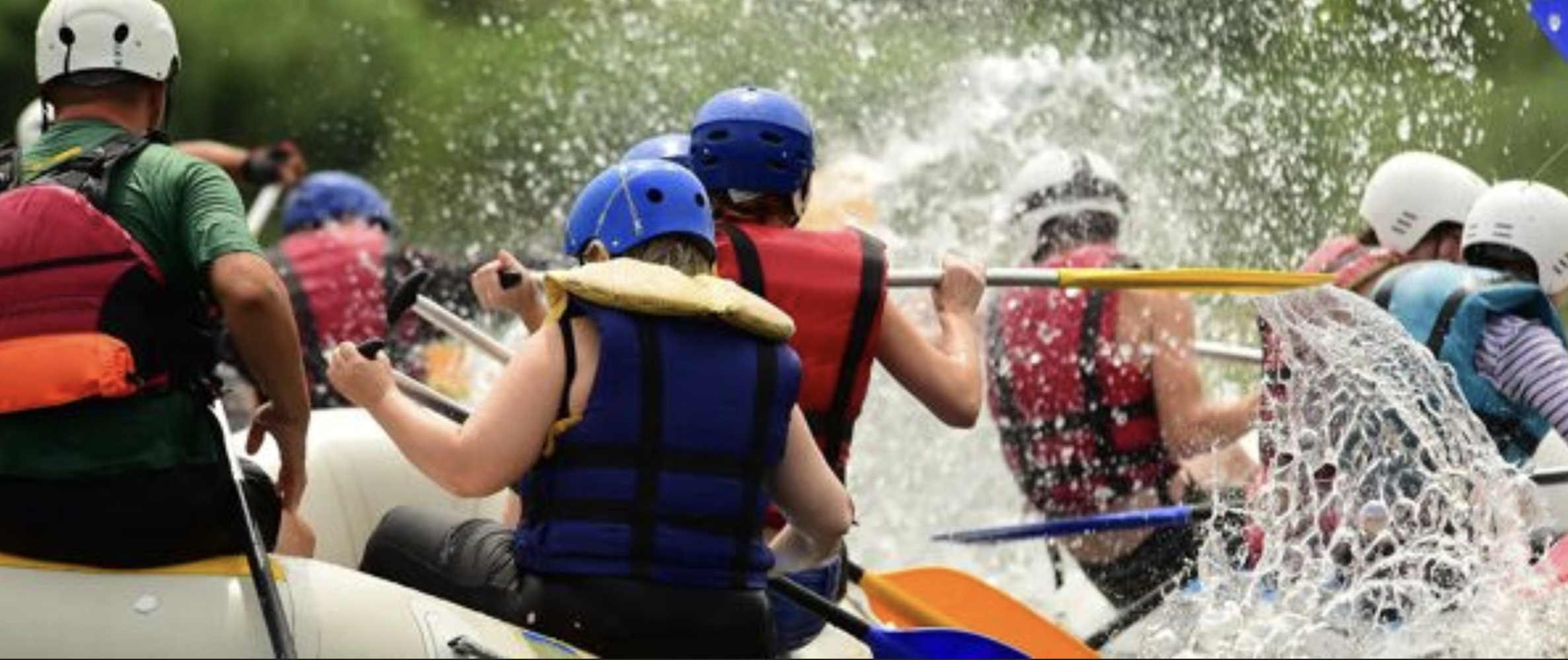
Course 3: Health, Wellbeing, & High-Risk Situations
Illness, accidents, and poor judgement are the most common reasons gap years end suddenly. This course tackles the highest-impact risks honestly and clearly.
What you will learn:
Module 1: Alcohol and drugs abroad
• Different laws and severe penalties
• Drink spiking risks
• Party culture vs personal safety
• Knowing when to walk away
Module 2: Illness and disease
• Food and water safety
• Common travel illnesses
• Heat, dehydration, and sun exposure
• When and how to seek medical help
Module 3: Adventure and activity risks
• Scuba diving and water sports
• Trekking and extreme activities
• Choosing reputable operators
• Knowing when to say no
Module 4: Road traffic accidents
• Why RTAs are one of the biggest Dangers to travellers
• Mopeds and scooters
• Pedestrian risks abroad
• Emergency response basics
Module 5: Exploitation and trafficking awareness
• Grooming and manipulation tactics
• Fake jobs and volunteer scams
• Staying safe when working or volunteering
• What to do if someone disappears
Module 6: Mental health and resilience
• Loneliness and culture shock
• Managing stress and anxiety
• Staying connected to home
• Asking for help early

Course 4: If Things Do Go Wrong
This course focuses on calm, practical decision making under pressure. With real world guidance on what to to do if the worst does happen. When you know what to do, situations are less likely to escalate, and you are more likely to achieve the outcome you require.
What you will learn:
Module 1: Lost or stolen essentials
• What to do if your passport is lost or stolen
• Replacing documents abroad
• Losing your phone, cards, or money
• Staying safe while you sort it out
Module 2: Medical emergencies
• When to self treat vs seek help
• Finding safe hospitals and clinics
• Dealing with language barriers
• Using insurance properly
• Helping a friend who is injured or unwell
Module 3: Crime and victim response
• What to do if you are robbed or assaulted
• Reporting crime safely abroad
• Preserving evidence where appropriate
• Looking after yourself after an incident
Module 4: Detention, questioning, or arrest
• What to expect from police or authorities
• Your rights as a foreign national
• What not to say or do
• Contacting embassies and consulates
• When to ask for legal help
Module 5: Natural disasters and civil unrest
• Earthquakes, floods, fires, and storms
• Protests, riots, and political instability
• When to shelter vs evacuate
• Staying informed without panic
• Exit planning under pressure
Module 6: Missing persons and separation
• What to do if someone disappears
• Losing contact in remote areas
• Agreed check-in systems
• Escalation timelines
Module 7: Online and remote emergencies
• Being scammed or extorted online
• Sextortion and digital blackmail
• Identity theft abroad
• Shutting threats down quickly
Module 8: Getting home early
• Making the decision to leave
• Managing pressure or guilt
• Informing family and schools
• Mental health support after a difficult trip
This COURSE is DESIGNED for…
- Gap year students
- Solo and group travellers
- Volunteers, backpackers, and working travellers
THIS COURSE EXISTS BECAUSE…
- Most travel incidents are preventable
- Younger travellers don’t get taught real travel risks
- Social media advice is often wrong and misleading
Your Safe Travel Starts Here
Don’t leave your safety to chance. Enrol in our Travel Risk Courses today and gain the skills, knowledge, and confidence to tackle any journey. Your next adventure is waiting… Let’s make it a safe one.
Travel safety risk courses
Free 12 month membersip to The Risk Academy, access to all four travel risk courses and access to all 500 free CDP courses
Knowledge and skills training courses to keep you safe while you travel, either working or exploring
Be Ready for Anything
Our courses are not just about avoiding risks; they’re about empowering you to travel with confidence. Whether you’re trekking through remote regions, navigating crowded urban areas, or working in challenging environments, our training ensures you’re always prepared.

Gap Year Students
Heading out on your first big adventure? Our courses teach you how to travel safely, handle risks, and navigate unfamiliar places. Enjoy your travels with confidence, knowing you’re prepared for the unexpected.
NGO & health
Workers
Travelling to high-risk or remote areas for humanitarian missions? Our training equips you with essential tools to manage health and security risks, so you can focus on making a difference.
First-Time Travellers
If you are new to international travel? It is importatn to learn how to prepare for your trip, stay safe, and handle emergencies with ease. Our courses give you the skills and everything you need to travel like a pro.
Why parents trust this programme
Parents want their children to be independent, but prepared. These courses give students practical tools without fear-based messaging, and give parents confidence that risks have been addressed properly.
This programme is designed to support independence, not restrict it.
Frequently asked questions
The Gap Year Travel Risk Management Programme is an online safety and risk awareness course designed to help gap year students plan safer travel, make better decisions while abroad, and know what to do if something goes wrong.
This programme is designed for gap year students, first-time independent travellers, volunteers, backpackers, and young adults travelling abroad solo or in groups.
Yes. The course is specifically designed for people travelling independently for the first time and explains everything clearly without assuming prior experience.
Yes. The content is age appropriate, calm, and practical. It focuses on decision making and awareness rather than fear or graphic content.
No. This course does not replace travel insurance. It helps students understand how to choose the right insurance and how to use it properly if something happens.
No. The course is prevention-focused and confidence-building. It teaches how to reduce risk and respond calmly, not how to be fearful or avoid travel.
Parents do not need to take the course, but many choose to review it for reassurance and peace of mind.
The programme is split into x 4 courses with on average 6 modules per course. Most learners complete it over a few days or weeks, but it can be done at your own pace, and learnt how you choose. It is designed to be listened to like a podcast, and that suits a lot of people. Or you can simply dip in and out depending on what you need to know at the time.
Yes. The course is fully online and can be accessed on mobile, tablet, or desktop while travelling.
The programme covers planning safer travel, accommodation and transport safety, health and wellbeing risks, alcohol and drugs abroad, road traffic accidents, digital safety, scams, and what to do in emergencies.
Yes. One full course is dedicated to what to do if things go wrong, including medical emergencies, lost passports, crime, detention, natural disasters, and getting home early.
Yes. The programme includes content on working and volunteering risks, including exploitation, fake jobs, and staying safe in unfamiliar environments.
Yes. The course covers phone security, public Wi-Fi risks, online scams, identity theft, and staying contactable in emergencies.
The Risk Academy’s Impact
Unlock the expertise and confidence to manage risk effectively with our specialised and accredited courses. Recognised as the world’s leading resource for risk-based training, we deliver unmatched quality and practical solutions.
5000+
Successfuly trained Recruits
500+
Online Courses
available
1000+
Face-to-Face Courses Delivered
50+
countries operated in worldwide
Join us now!
Travel smarter and stay one step ahead. Your safety starts with preparation.